
On this page
Verification Status
Public-source verified
Reviewed against the listed government, airport, public-transport, and rail sources for mode-choice, payment-preparation, airport-transfer, and station-routing guidance. Domestic flight advice is limited to readiness checks such as airport, terminal, baggage, document, delay, and city-side transfer planning; confirm airline and airport rules close to travel.
What still needs re-checking
- This guide does not include a recent domestic flight booking, terminal-transfer, baggage, or delay-recovery test record.
- This guide does not include a city-by-city public bus payment and stop-name screenshot set.
- No airport-bus schedule audit is attached for major arrival airports.
Short Answer
Do not choose transport in China by distance alone. For first-time visitors, high-speed rail is often easiest for strong city pairs, metro is usually reliable for simple daytime local routes, taxis or ride-hailing are better for luggage and late arrivals, city buses can work when you have a clear route and payment path, airport buses can be useful but need schedule and stop checks, and domestic flights make sense for long distances only after terminal, baggage, delay, and city-side transfer time are included.
Saved Travel Materials
Check route, address, and recovery material before the next move.
Saved transport notes, address cards, city packs, and recovery cards do not sync automatically. Copy, print, or transfer the important parts before travel.
Saved materials stay in this browser on this device. Copy, print, or use the city phone pack when you need to move essentials to another device.
Use This Page Like This
Use this guide to complete the next move and switch to staffed help when needed.
Transport guides keep local movement and intercity movement separate so the backup path matches the real blocker.
Transport guidance is R1/R2. Confirm live route, operator, station, and payment details close to travel.
Use This Page For
- Airport-to-hotel, local metro, buses, taxis, ride-hailing, station exits, and official taxi or service-desk fallbacks.
- High-speed rail, domestic flights, station names, passport-linked bookings, terminal changes, baggage, and transfer buffers.
- Transport recovery when maps, payment, pickup points, station details, or tickets fail.
Do Not Rely On This Page For
- Real-time routes, prices, schedules, ticket inventory, terminal changes, or pickup zones.
- Wallet setup, card issuer approval, SMS verification, or app-store account access.
- City-specific facts outside reviewed city packs or positive entry results from a city name.
Save Before Arrival
Carry the route, address, and staffed fallback.
Save route screenshots, Chinese place names, and a recovery path before leaving the airport, station, or hotel.
Transport Plan
Copy the next-move plan before routes or apps fail.
Keep this with your address cards and city pack so airport transfers, local moves, and intercity changes do not depend on one live map, wallet, or booking app.
First Transfer
Choose the first move while help is nearby.
- Test data and open the Chinese destination address before leaving arrivals.
- Use metro or airport rail only when the route, luggage, payment, and operating hours are clear.
- Use official taxi queues, hotel pickup, or staffed transport counters when data, pickup, or payment is unstable.
Local Move
Save local route details before the curb or station gate.
- Keep Chinese POI names, route screenshots, and the hotel phone number available offline.
- Match the exact exit, pickup zone, station, or terminal before requesting a ride.
- Carry a second wallet, small RMB cash, or a staffed payment fallback for metro, bus, taxi, and counters.
Intercity Move
Treat rail and flights as document-linked transfers.
- Save exact station, airport, terminal, train, flight, booking, and baggage details.
- Carry the same passport or document used for booking and keep order details offline.
- Build a buffer for security, baggage, manual lanes, station exits, and city-side transfer time.
If It Breaks
Go staffed before troubleshooting deeply.
- Step out of the flow and switch to official taxi, station staff, airport desk, or hotel front desk.
- Show a Chinese address card instead of relying on English place names or live translation.
- Use Network, Payment, Booking, or Hotel Recovery only after the immediate movement path is safe.
Visual Guidance
Use these visuals to understand the action, not as a guarantee.
Each visual keeps its source, scope, and limits visible so you can act without over-reading one screenshot or diagram.
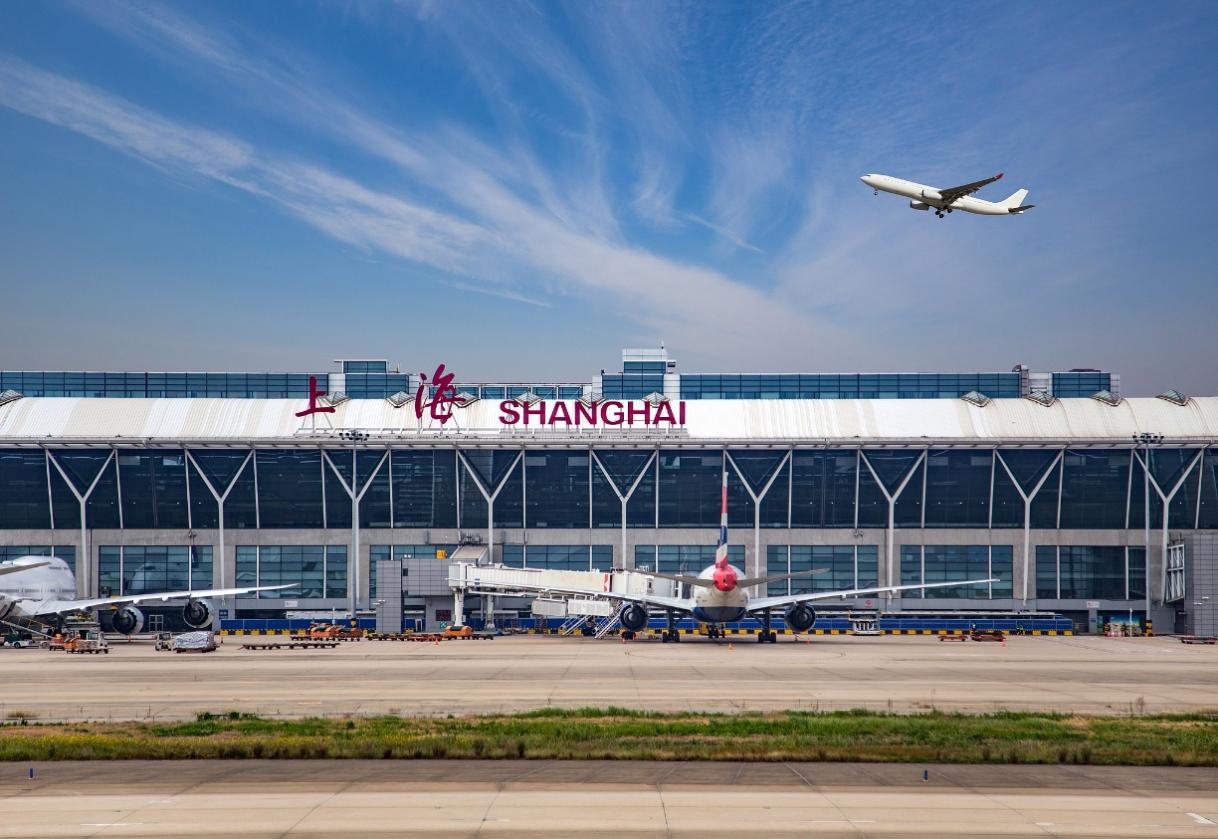
evidence
Airport transport visuals are local evidence, not a universal route promise.
Shanghai's official airport-to-downtown transport guide includes route visuals and mode details; use them as an example of why airport, terminal, schedule, luggage, and last-mile checks matter.
Shanghai airport-to-downtown transport visual evidence used to illustrate mode comparison and last-mile planning.
- Does not prove schedules, fares, disruptions, terminal paths, or last-mile details on a specific travel day.
- Does not apply to all China airports, buses, metros, domestic flights, or railway stations.
- Does not replace airline, airport, railway, bus, metro, taxi, hotel, or official city guidance close to travel.
Who This Guide Is For
- You if you are deciding between train, domestic flight, metro, bus, taxi, and ride-hailing
- You if you are planning city-to-city movement after arrival
- You if you need a backup when the first transport plan fails
Quick Checklist
- Compare door-to-door time, not just timetable time
- Save Chinese names for airports, stations, stops, hotels, and terminals
- Check payment before relying on metro, city bus, airport bus, or ride-hailing
- Use domestic flights for longer distances only after terminal, baggage, and airport transfer time are included
- Keep taxi, hotel help, and address-card backups for late arrivals or missed connections
- Save route screenshots and booking details offline
Step-by-Step Guide
- Start with the trip job: first airport transfer, local sightseeing, city-to-city move, late-night recovery, or same-day connection.
- For city-to-city routes, compare high-speed rail against domestic flights by door-to-door time, including station or airport transfers, security, baggage, and delay risk.
- For local daytime routes, prefer metro when the line is direct and luggage is light. Use city buses only when you have the Chinese stop names, route screenshots, and a working payment or ticket path.
- For airport buses, check the current stop list, operating hours, luggage rules, and final stop before boarding. If the stop is not close to your hotel, plan the last mile before you leave the airport.
- For domestic flights, confirm the airport, terminal, document used for booking, baggage allowance, check-in deadline, and onward city transfer. Do not assume the arrival airport is near your hotel or train station.
- If data, payment, language, or timing breaks the plan, switch to staffed help: airport or station counters, official taxi queues, hotel front desks, or a saved Chinese address card.
Troubleshooting
- If a bus route or stop is unclear, use metro, official taxi, ride-hailing, or hotel help instead of guessing at the curb.
- If a domestic flight is delayed, rebuild the city-side transfer before landing and keep hotel contact details ready.
- If metro or bus payment fails, try a staffed counter, ticket machine, another wallet, or taxi backup.
- If the airport bus final stop is not near your hotel, use the Chinese address card for the last-mile taxi or ride-hailing leg.
- If you miss a train or flight connection, avoid unofficial offers and work through the airline, railway, station, airport, hotel, or official transport desk.
Common Mistakes
- Comparing train and flight time without adding airport or station transfer time
- Booking a domestic flight into the wrong airport or terminal for the next move
- Relying on city buses before payment, stop names, and live navigation are ready
- Assuming airport buses run late enough for every arrival
- Planning a tight same-day flight-train or train-flight connection without baggage and security time
- Keeping only English place names for bus stops, terminals, stations, or hotels
Save or recover with these
FAQ
Are domestic flights better than trains in China?
Sometimes, especially for long distances. For many major city pairs, high-speed rail can be easier after airport transfer, baggage, check-in, security, weather, and city-side arrival time are included. Compare door to door.
Should first-time visitors use city buses?
Use buses when the route is simple and you have Chinese stop names, route screenshots, payment ready, and enough time. Metro, taxi, or ride-hailing are usually safer for the first arrival or when luggage is heavy.
Are airport buses useful?
They can be useful when the stop, schedule, luggage handling, and last-mile plan are clear. Check current airport information close to travel because routes and hours can change.
What should I save offline?
Save Chinese airport, terminal, station, stop, hotel, and attraction names; booking numbers; route screenshots; and a Chinese address card for the final destination.
What is the safest fallback?
Use staffed options: official taxi queues, airport or station service desks, hotel front desks, and transport counters. They are often faster than troubleshooting an app under pressure.
Sources and Verification
- Chinese government guide for business expatriates - transport and public services last checked 2026-05-07
- Beijing Municipal Government - Transportation for new arrivals last checked 2026-05-07
- Shanghai Municipal Government - public transportation accepts foreign bank cards last checked 2026-05-07
- Shanghai Municipal Government - airport to downtown transport last checked 2026-05-07
- China Railway 12306 official English website last checked 2026-05-07